
Our Services
Explore our services in educational technology.
Our Process
Consult
We analyze your needs and define the scope together.
Design
We create user-centered designs tailored to your goals.
Develop
We build scalable, cloud-based solutions with modern technologies.
Support
We provide ongoing maintenance, updates, and technical support.

Digital Publishing
Digital Publishing turns the printed books of publishers and schools into an interactive digital edition built for teaching in front of a class. Most school conversations now open with a question about the digital edition, and projecting the print-ready file onto the board is not an answer to it. The service is for publishers who would rather not build an in-house digital team, institutions that publish under their own name, and schools that plan their lessons around the board. Production starts from the same typeset files that go to the printer, so page order, numbering and layout stay identical to the printed copy: when a teacher says page 92, the page on the board is page 92. Interactive material is layered on top of those pages afterwards, so a new video or activity never waits for the next print run. The same book opens on web, Windows, Pardus, iOS and Android, and the offline package for classrooms with no connection is built from that same source. The institution ends up with a digital catalogue under its own brand that stays current through the term, keeping the editorial decisions while we carry the technical side.
View details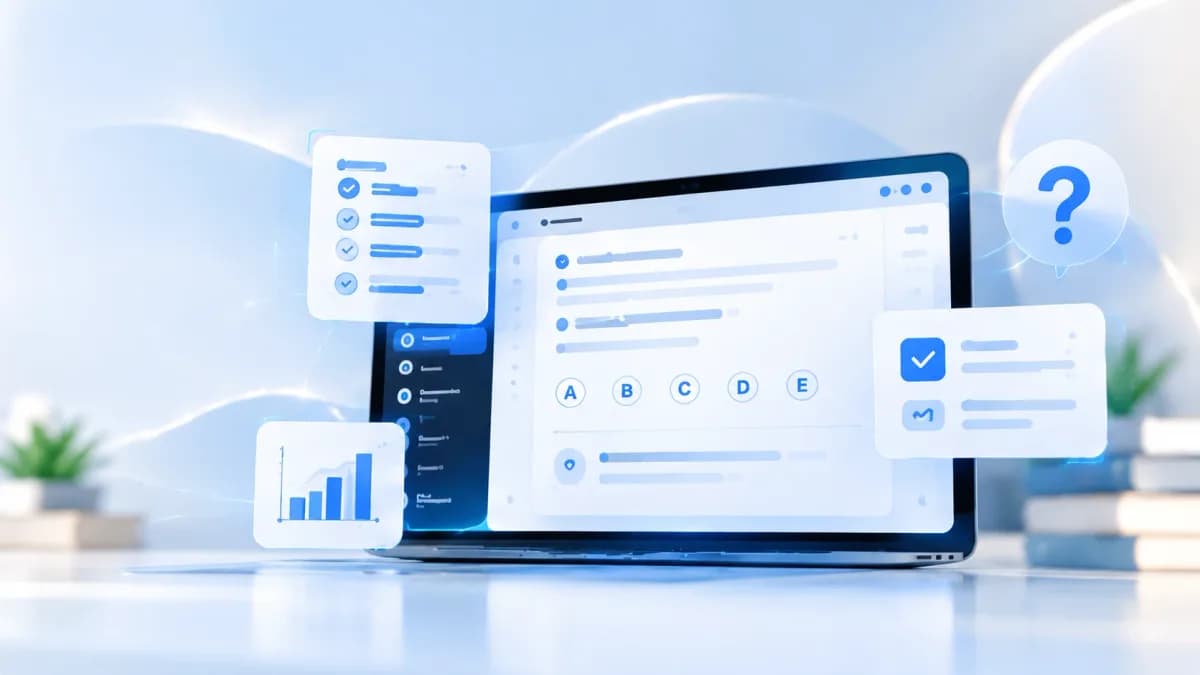
Question Bank Software
Every question an institution owns sits in one outcome-tagged pool, so building an exam starts with a filter rather than a search through old folders. In most schools questions live on individual teachers' laptops, in old files and in photocopy binders, so the same item gets set twice by accident and nobody can say which outcomes have actually been assessed. The software turns that scattered archive into shared ground for the assessment team, department heads and content editors. A question is written once and stored with its grade, topic and outcome, so it can be pulled again for the next written exam, mock test or catch-up session. Teachers assemble a paper on screen, generate shuffled A and B variants of it, and send the booklet to print the same day. When results come back by outcome code, the follow-up test for the weak areas is drawn from the same pool. The hours lost to copying and pasting between files disappear, and the archive becomes institutional memory that survives staff changes.
View details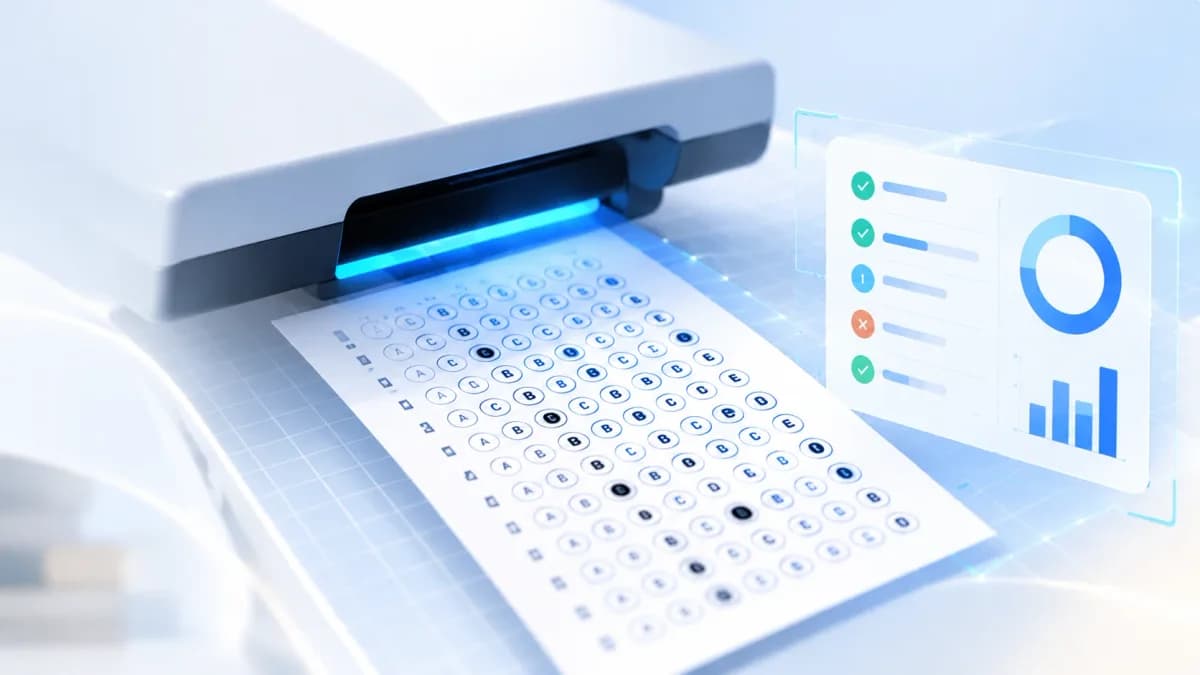
Optical Mark Reading
An exam ends, the sheets go through the scanner the school already owns or a phone camera, and the ranking list is out the same day. Mock exams, shared term exams and the short tests run at weekend courses all follow the same path, and neither the papers nor the results leave the building for an outside reading service. We designed it around exam day as the people who run it experience it: the assessment team, the teacher responsible for the paper, and the administrator who has to publish the result. The answer key is defined once for each booklet variant, and if a question is withdrawn or a weighting changes, every paper is rescored. Gone are the overlay held against each sheet, the scores typed into a spreadsheet and the class lists reordered by hand; sheets that went through the scanner crooked are corrected as they are read. Results can go out while students still remember the questions: report cards print, parents get their notification, and the department meeting opens with figures per outcome rather than impressions. Because every sitting stays in the archive, comparing classes does not have to wait for the end of term.
View details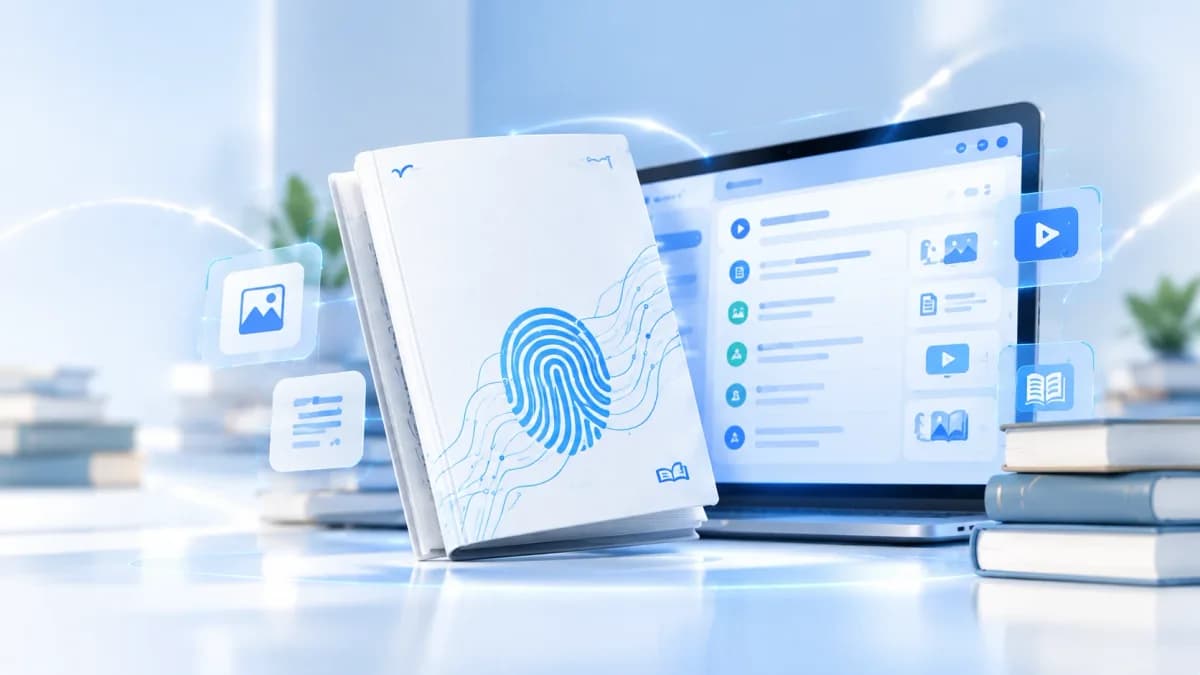
Personalized Book Software
Each student works from a question bank of their own, compiled from their own mock-exam and homework results and printed with their name on the cover. One book for the whole class means one student re-solving what they already know while another never gets enough practice where it costs them marks. Teachers can read those gaps off the mock-exam analysis, but nobody has the hours to build a worksheet per student, which is why the job sits with the assessment team and the subject heads. Production starts from data the institution already collects: as results read from answer sheets and homework records accumulate, the selection sharpens, questions the student has already got right are left out, and the spread of difficulty is set to their level. Each print run is rebuilt from the latest results, so the book changes with the student over the term. You hand over a class list, get print-ready files in one batch, and the books go out class by class. Photocopied extra sheets and hand-kept topic trackers drop out of the routine, and a parent meeting can start from something concrete the institution produced for that child.
View details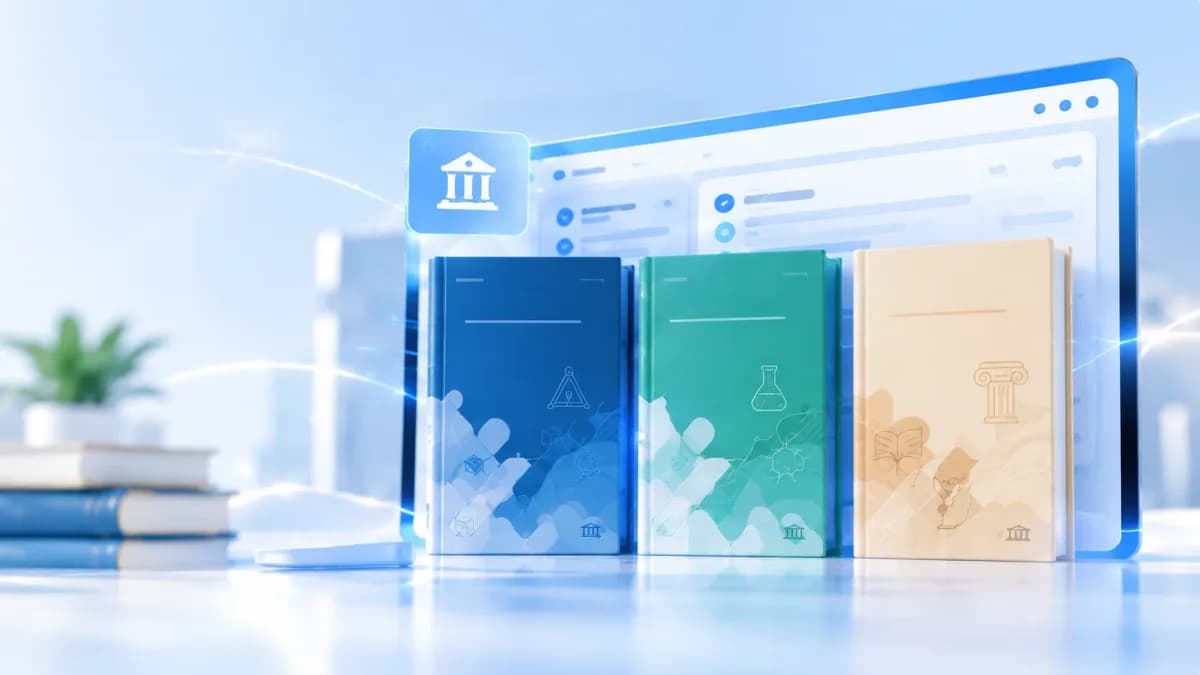
Institutional Book Software
Schools and course chains that want to publish under their own name can build their coursebooks and question books straight from their own question pool. Bought-in titles never quite match an institution's mock-exam calendar or the order in which it teaches its outcomes, and publishing in-house usually means Word files, a typesetting office and rounds of proofs. The academic coordinators and department heads who carry that work alone are the people the software is for. The workflow runs the other way round: a teacher picks the contents from the pool by topic, learning outcome and difficulty, and the software sets the pages. A correction no longer means waiting on another proof — the selection changes and the book is regenerated. An easier edition for a second ability group, a split into unit booklets, or a refresh for next term is a new version of the same file rather than a new project. The cover carries your logo, the answer key and imprint details are placed automatically, and the print-ready file stays in your own archive instead of a supplier's.
View details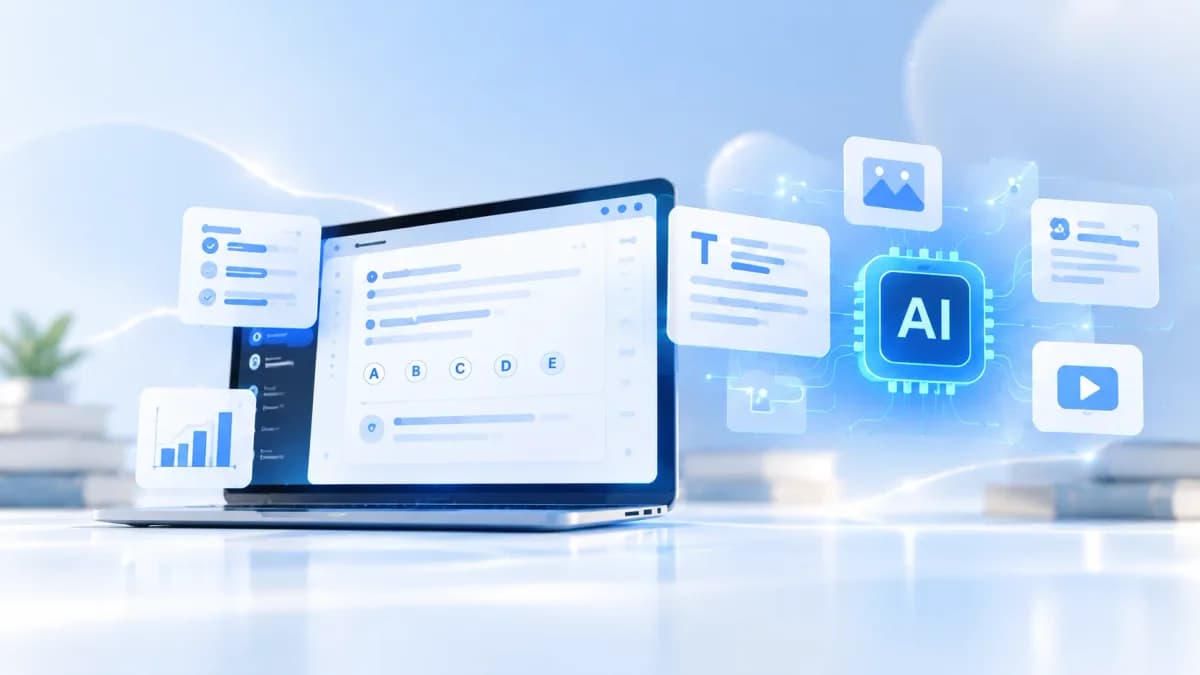
AI Content Creation
A chosen learning outcome comes back as a draft lesson plan, activity and presentation, so preparation starts from a draft rather than a blank page. The annual plan is agreed at department level, but turning each line of it into something that works in front of a class lands on one teacher's evening. Material gathered from scattered sources rarely matches in pitch or style, and a curriculum revision sends much of it back for rewriting. You pick the grade and the outcome, reshape the draft to your own order of explanation, and ask for an easier or more demanding version of the same outcome when a class needs one. The material can go to the smartboard as an H5P activity and home with students as a Word or PDF handout, and none of it is published until a teacher has approved it. Preparation stops spreading across the week and shrinks to a short edit before the lesson. Because what accumulates is filed against outcome codes rather than in a drive full of loose folders, the teacher who reaches that topic next year starts on ground already prepared.
View details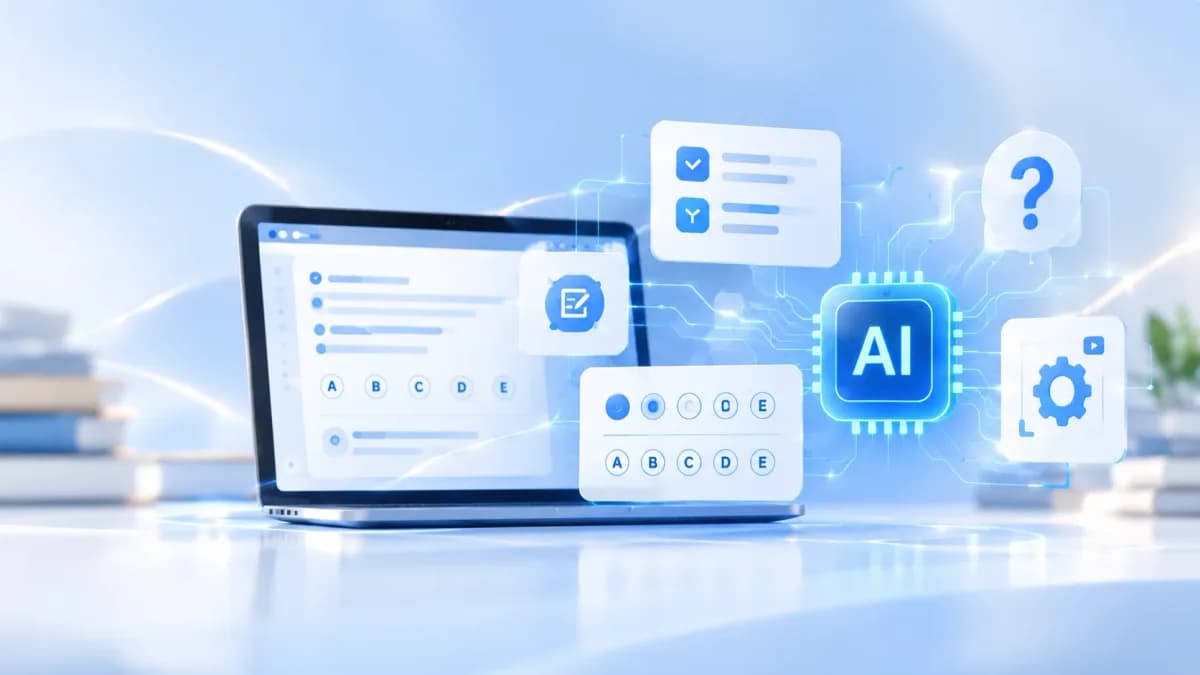
AI Question Generation
An empty cell in the exam blueprint gets filled with original items written for that outcome, and those items go into the institution's own pool. When the mock-exam calendar tightens, the problem facing an assessment team is not finding questions but finding the right one: bought-in sets tend to be items students have already met, or items that sit near an outcome rather than on it. A skills-based curriculum makes that gap harder to hide. Each item arrives with its difficulty and cognitive level, its distractors built from the mistakes students actually make on that topic, and its answer and worked solution written alongside it. Nothing joins the pool without a similarity check against what is already there and a sign-off from the department, and multiple-choice and open-ended items follow the same route. That removes the need to buy in question sets or quietly recycle last year's mock papers. The pool grows against your own students' data as the term goes on, and writing an exam stops being a job that takes days.
View details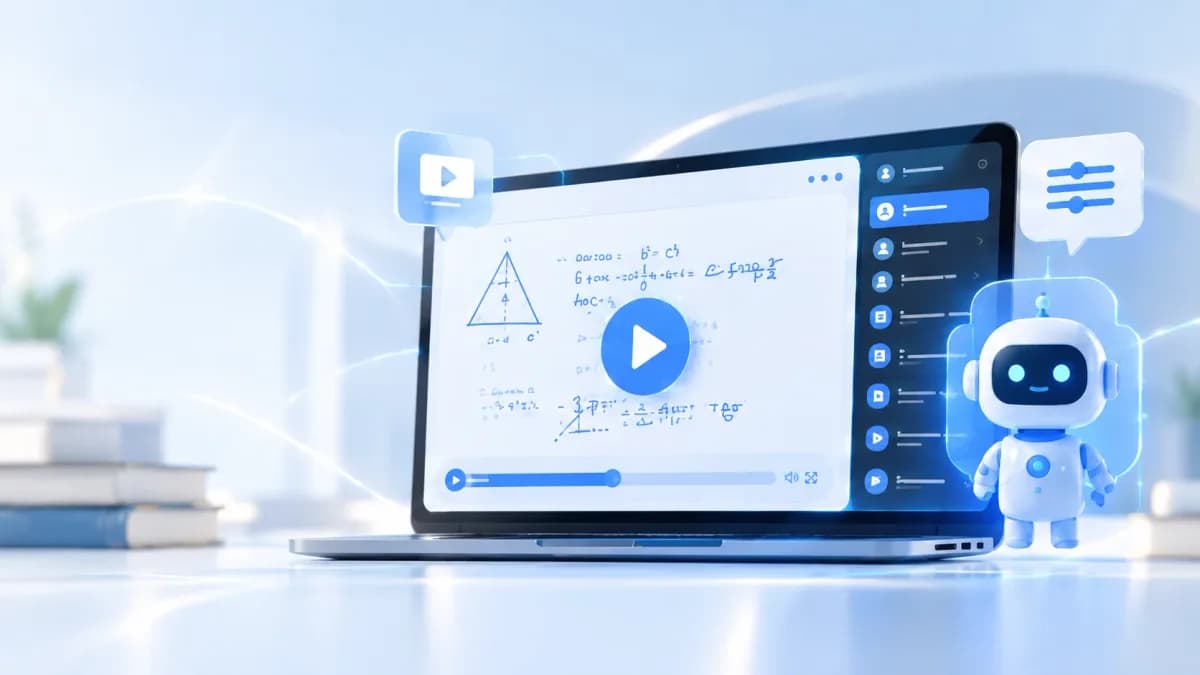
AI Video Solutions
We produce a worked solution video for every question in a book and put it one QR scan away from the page the question sits on. Today that work depends on a teacher's free period, a camera setup and a playlist nobody maintains, so on a book running to thousands of questions it stalls after the first few units. Publisher content teams and school or course departments can cover a whole title this way without ever booking a shoot. The flow is short: you hand over the question set, a teacher reviews and approves the solution produced with voice-over and on-screen drawing, and the approved video is bound to its page and its outcome code. Students scan the code or photograph the question, their mock-exam and homework results turn into a watch list, and viewing time comes back to the teacher as a report. No recording calendar, no re-explaining the same question every September, no matching files to page numbers by hand. When the curriculum moves, only the videos for the questions that changed are made again, not the whole archive.
View details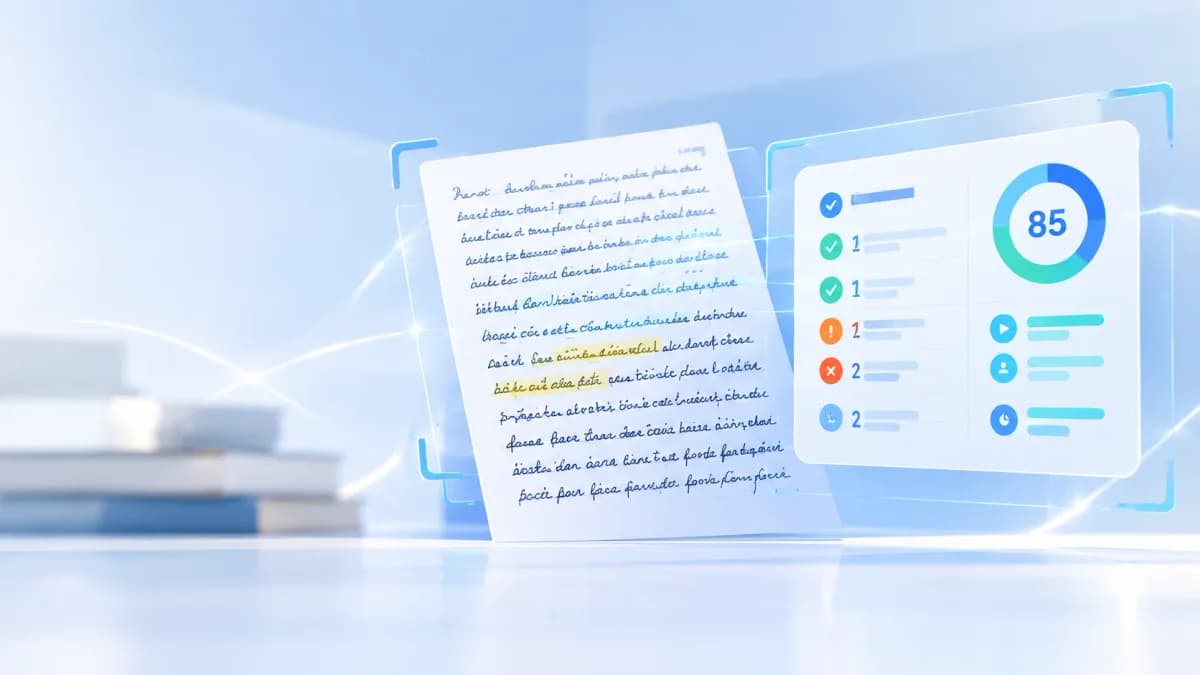
Open-Ended Exam Marking
AI reads a class's exam papers and scores every open-ended answer, criterion by criterion, against the rubric the department agreed on. As written exams lean harder on open-ended questions, one set of papers costs a teacher their evenings and a weekend, and two markers rarely give the same answer the same number. Turkish, social studies and science departments feel that first, along with the assessment team held responsible for marking consistency between classes. AI proposes the score and the teacher has the last word: handwriting is converted to text, the breakdown and partial marks for each criterion appear on screen, and the teacher approves or overrides them. The evenings with a red pen, and the marks copied into a notebook and then a report-card list, collapse into one panel. What comes out is more than a mark — the student gets feedback explaining why the answer earned what it did, and the department sees which outcome the class got stuck on. The written exam stops being paperwork to file and becomes a record the department opens again later in the term.
View details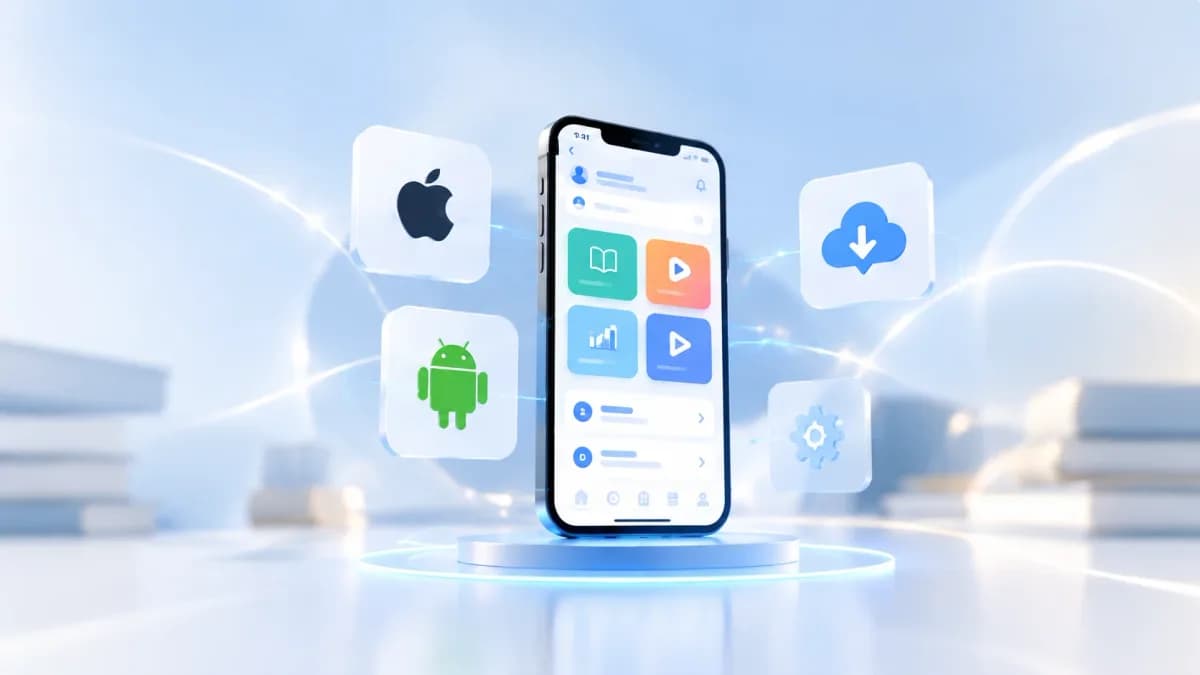
Mobile App Development
Exam results, homework and announcements arrive in one app that students and parents open on their own phones, instead of in three separate places. When results sit in a web panel, announcements in a WhatsApp group and homework in a teacher's notebook, nobody knows which version is current, and reaching a parent depends on whoever runs the group remembering to post. The decision may be management's, but the day-to-day owners are the IT and parent-communication staff. The app does not start from scratch: it reads the school management and assessment system you already run, so what a parent sees on a phone matches what the panel shows. Access follows KVKK's limits on personal data, with parents scoped to their own child and teachers to their own classes. It ships to the App Store and Google Play under your institution's name, in your logo and colours, and we handle the store and release work. Nobody has to fall back on WhatsApp groups to get word out or printed lists to get results home — homework and exam results arrive as notifications.
View details
AI-Powered Assessment
Scoring the papers is not where the work ends: item difficulty, discrimination and distractor analysis measure the exam itself, not only the students. In most institutions the process closes when the sheets are scanned and the report cards go home, leaving the question of whether an item measured anything, or just confused everyone, to staffroom opinion. This is written for the people who set the paper and then have to explain the result to a parent: the assessment office, department heads and academic coordinators. It fits inside the exam calendar you already run — your department still writes the paper, the sheets are still scanned, and the difference begins once reading is done. A department meeting then opens with a list of items to retire and outcomes to teach again, instead of an argument about which questions felt hard. The same data tracks progress by outcome through the term, puts a predicted LGS or YKS score and percentile band beside a student's mock results, and gives the guidance team a table to open in a parent meeting. Next term's exam plan is then built from those tables rather than from memory.
View details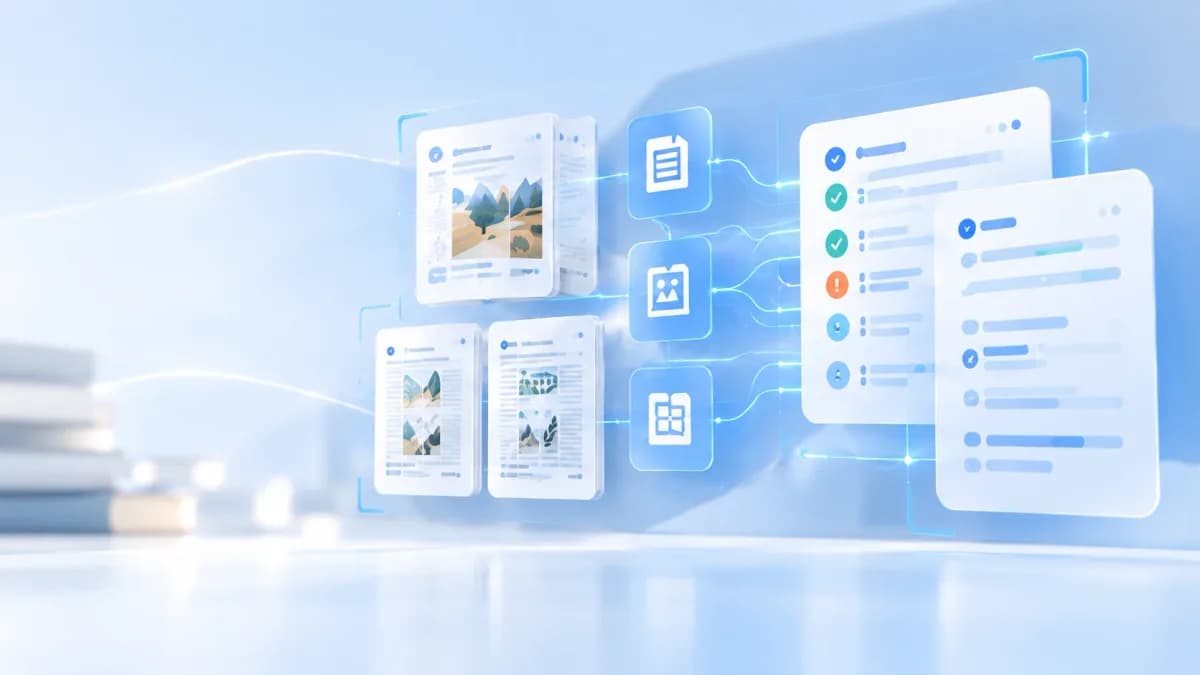
Book and Question Quality Review
Book and Question Quality Review checks questions and book typesetting against defined criteria and reports every issue with its reason. It runs at two levels: the question review examines items one by one, while the book review adds the typesetting and question layout on top of the same checks. A shifted answer key or a question set twice cannot be fixed once the file has gone to print. The work belongs to the editors, typesetters and publishing coordinators doing the final read on a tight schedule. Criteria are held as named headings such as factual accuracy, curriculum fit, single correct answer and language use, and a publisher can add its own rules as new headings later. The report shows each question's image beside the headings it fails and why; formal checks such as option order and duplicate items sit in the same place. The book-level review adds question numbering continuity, items broken across pages and answer-key consistency. What you keep is a correction list that can be worked through heading by heading before the print run.
View details