Learning Platforms

Mobile App Development

Exam results, homework and announcements arrive in one app that students and parents open on their own phones, instead of in three separate places. When results sit in a web panel, announcements in a WhatsApp group and…
indivitech.com / services / mobile-app-development
Mobile App Development

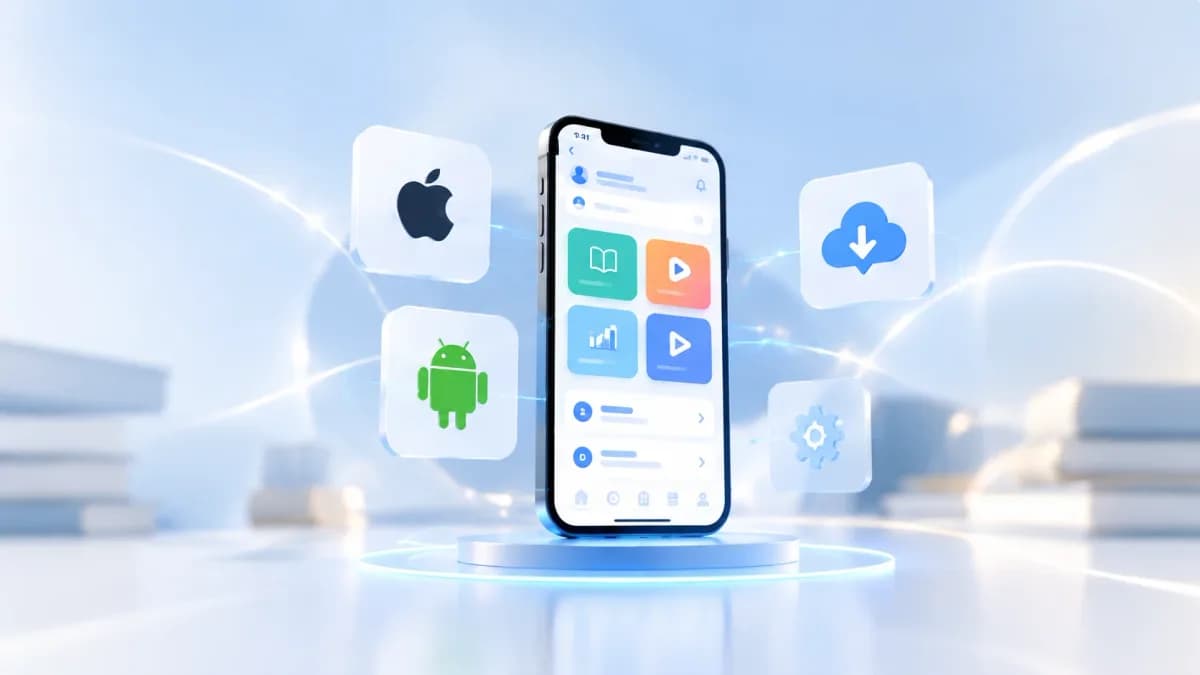
Exam results, homework and announcements arrive in one app that students and parents open on their own phones, instead of in three separate places. When results sit in a web panel, announcements in a WhatsApp group and homework in a teacher's notebook, nobody knows which version is current, and reaching a parent depends on whoever runs the group remembering to post. The decision may be management's, but the day-to-day owners are the IT and parent-communication staff.

The app does not start from scratch: it reads the school management and assessment system you already run, so what a parent sees on a phone matches what the panel shows. Access follows KVKK's limits on personal data, with parents scoped to their own child and teachers to their own classes. It ships to the App Store and Google Play under your institution's name, in your logo and colours, and we handle the store and release work. Nobody has to fall back on WhatsApp groups to get word out or printed lists to get results home — homework and exam results arrive as notifications.

Features
  • App Store and Google Play submission and release management
  • White-label build carrying the institution's logo and colours
  • Role-based sign-in for students, teachers and parents
  • Content download and sync for use without a connection
  • Push notifications for homework, results and announcements
  • Single-session and device limits that curb account sharing
Contact us

Let's bring your project to life.

Tell us your needs and we'll map out a plan tailored to you.
Related services

AI Video Solutions
Content & Digital Publishing

AI Video Solutions

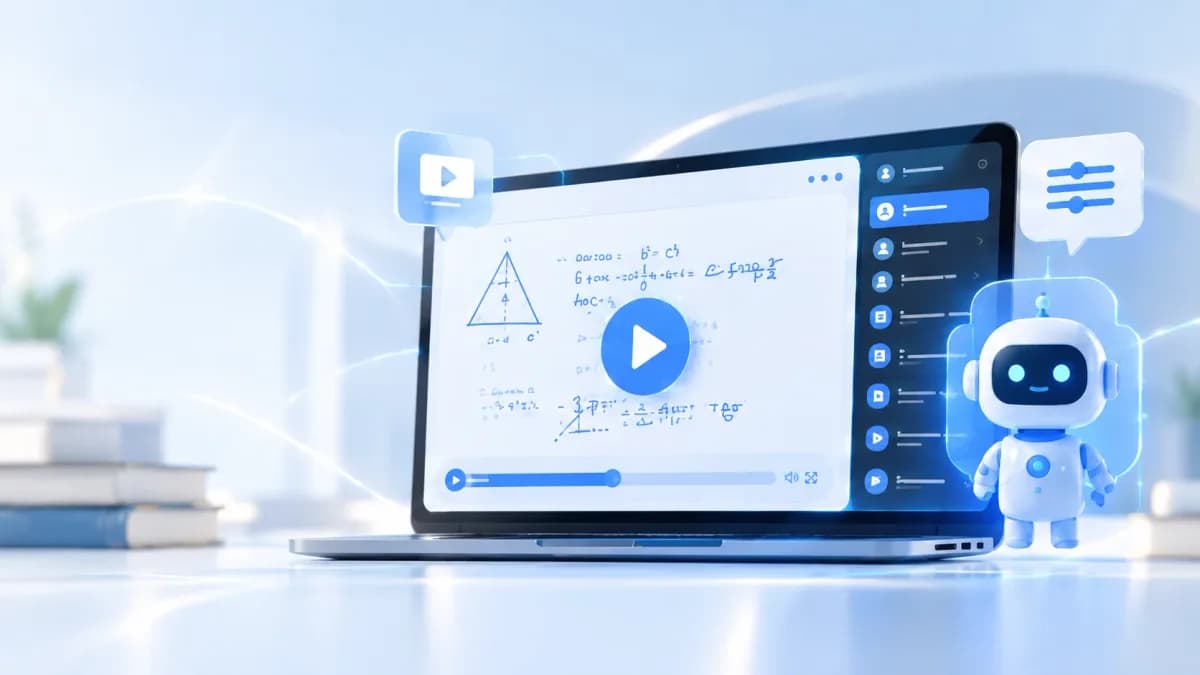
We produce a worked solution video for every question in a book and put it one QR scan away from the page the question sits on. Today that work depends on a teacher's free period, a camera setup and a playlist nobody maintains, so on a book running to thousands of questions it stalls after the first few units. Publisher content teams and school or course departments can cover a whole title this way without ever booking a shoot. The flow is short: you hand over the question set, a teacher reviews and approves the solution produced with voice-over and on-screen drawing, and the approved video is bound to its page and its outcome code. Students scan the code or photograph the question, their mock-exam and homework results turn into a watch list, and viewing time comes back to the teacher as a report. No recording calendar, no re-explaining the same question every September, no matching files to page numbers by hand. When the curriculum moves, only the videos for the questions that changed are made again, not the whole archive.

View details
Digital Publishing
Content & Digital Publishing

Digital Publishing

Digital Publishing turns the printed books of publishers and schools into an interactive digital edition built for teaching in front of a class. Most school conversations now open with a question about the digital edition, and projecting the print-ready file onto the board is not an answer to it. The service is for publishers who would rather not build an in-house digital team, institutions that publish under their own name, and schools that plan their lessons around the board. Production starts from the same typeset files that go to the printer, so page order, numbering and layout stay identical to the printed copy: when a teacher says page 92, the page on the board is page 92. Interactive material is layered on top of those pages afterwards, so a new video or activity never waits for the next print run. The same book opens on web, Windows, Pardus, iOS and Android, and the offline package for classrooms with no connection is built from that same source. The institution ends up with a digital catalogue under its own brand that stays current through the term, keeping the editorial decisions while we carry the technical side.

View details
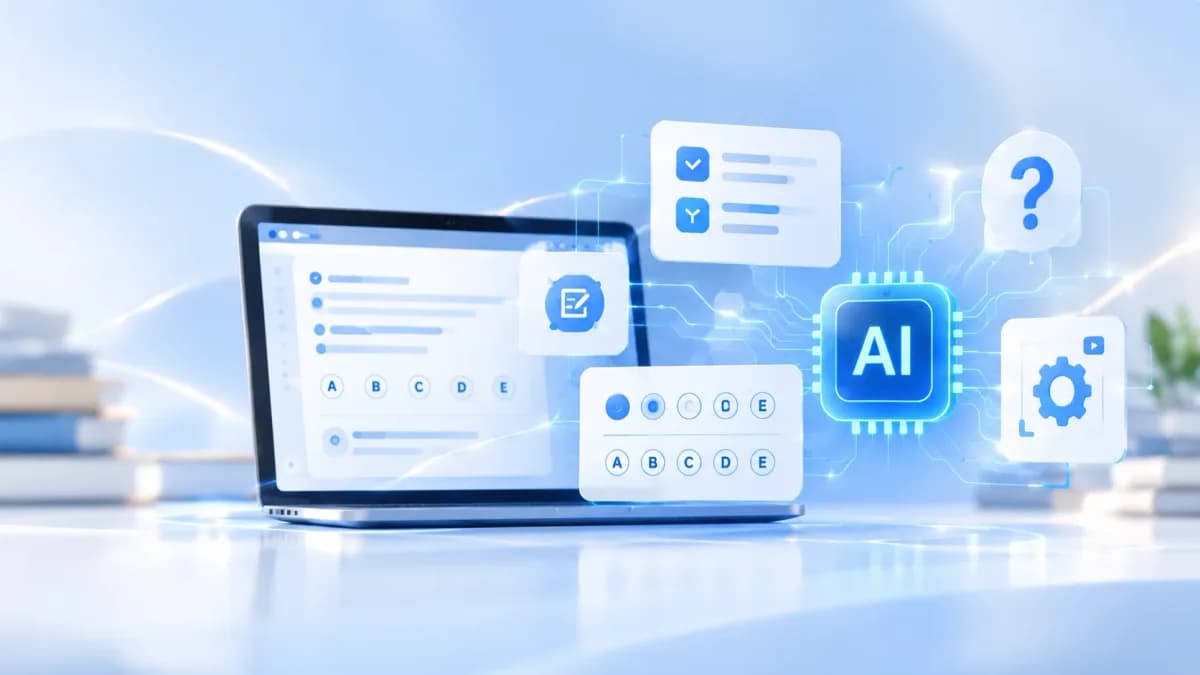
AI Question Generation
Exams & Assessment

AI Question Generation

An empty cell in the exam blueprint gets filled with original items written for that outcome, and those items go into the institution's own pool. When the mock-exam calendar tightens, the problem facing an assessment team is not finding questions but finding the right one: bought-in sets tend to be items students have already met, or items that sit near an outcome rather than on it. A skills-based curriculum makes that gap harder to hide. Each item arrives with its difficulty and cognitive level, its distractors built from the mistakes students actually make on that topic, and its answer and worked solution written alongside it. Nothing joins the pool without a similarity check against what is already there and a sign-off from the department, and multiple-choice and open-ended items follow the same route. That removes the need to buy in question sets or quietly recycle last year's mock papers. The pool grows against your own students' data as the term goes on, and writing an exam stops being a job that takes days.

View details